
The Development Partners Gender Group (DPGG), chaired by AICS with the support of Canada as co-Chair and UN Women as Secretariat, met last Thursday 5 February in Nairobi, with the participation of the Principal Secretary Anne Wang’ombe – State Department for Gender and Affirmative Action, to advance dialogue on gender-based violence (GBV) prevention and electoral preparedness ahead of Kenya’s 2027 General Elections.
Opening the event, Mr. Fabio Minniti, Head of Office, AICS Nairobi, emphasized the critical and strategic role of the DPGG as a coordination platform for development and institutional partners. He underscored its importance in fostering national dialogue on gender equality and promoting coherent and preventive action against GBV, at a time of persistent and evolving GBV-related challenges and heightened risks linked to the pre-electoral period.
In her remarks, Ms. Antonia Ngabala-Solomon, UN Women Country Representative, highlighted the continued underrepresentation of women in political life and recalled that women’s full participation in electoral, social, and economic spheres is a constitutional right. She emphasized the need to strengthen accountability mechanisms to ensure survivors’ access to justice emphasizing that the responsibility to protect women and girls does not pause during elections. Her concerns were echoed by PS Anne Wang’ombe who also reiterated the barriers and discrimination preventing a full participation of women in political life and appealed to all stakeholders to keep supporting initiatives facilitating women running for office and women leaders.
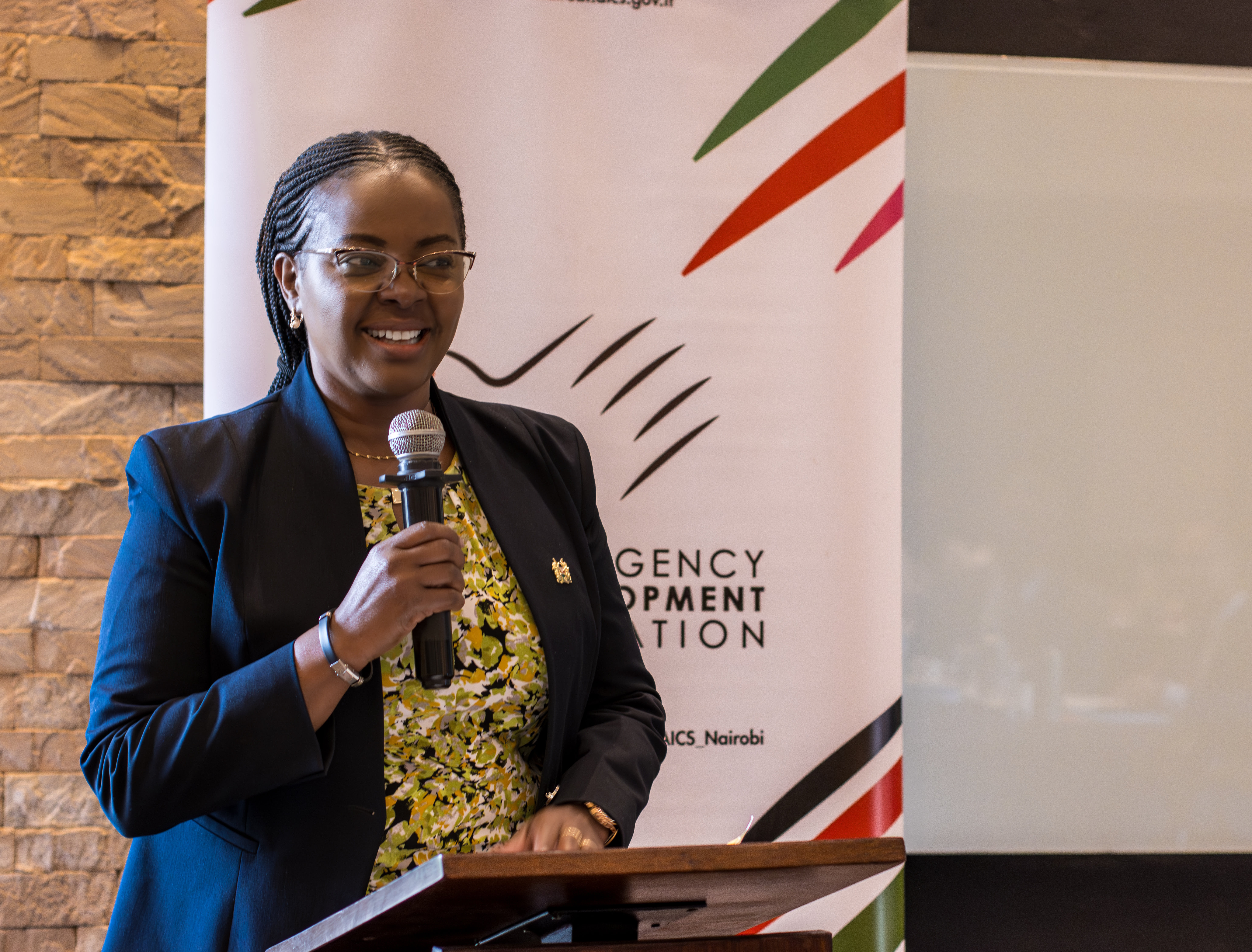
The meeting featured a presentation of key findings from the report of the Technical Working Group (TWG) on GBV, including Femicide delivered by the Group’s former Vice-Chair, Dr. Sam Thenya. He described GBV and femicide as a national crisis, exacerbated by persistent cultural barriers that discourage reporting, compounded by climate-related stressors such as droughts or floods, chronic underfunding, and the growing prevalence of digital violence. Dr. Thenya stressed the need to integrate GBV preparedness in elections, and within such scope, he highlighted the urgent need for stronger multi-actor and inter-agency coordination, calling for collective action to achieve greater impact and for the creation of a national GBV/Feminicide observatory to facilitate early warning and integrated pathways to GBV prevention and response.
Commenting on the findings, Mr. Michael Kariuki, Director of GBV Mitigation at the State Department for Gender, reaffirmed the Government of Kenya’s commitment to implement the TWG’s recommendations, including through the proposed establishment of a national GBV Fund, as well as the intention to review the current regulatory frameworks to ensure greater coherence in the establishment and management of GBV protection centres.
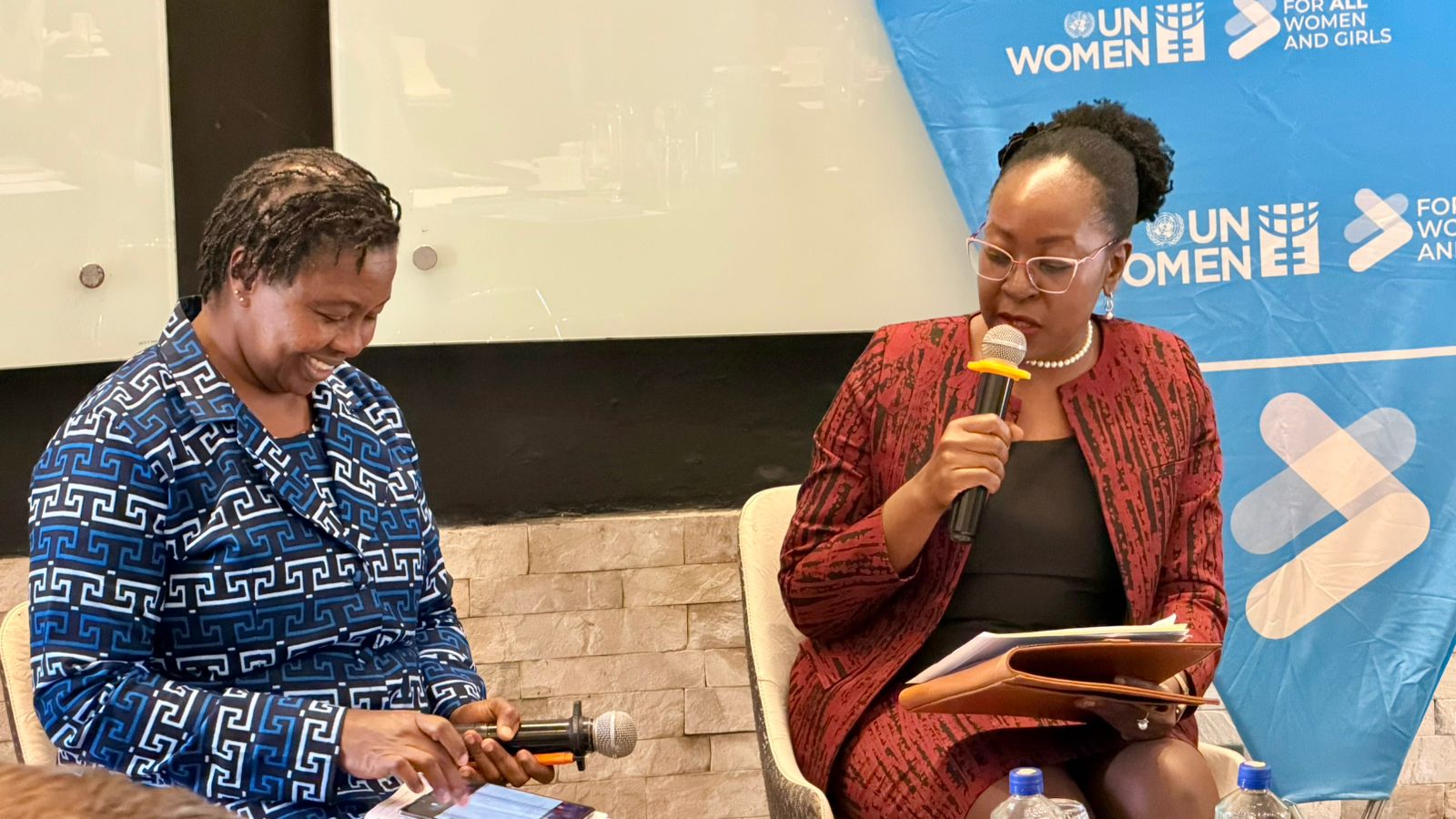
A lively discussion and expert panel followed, grounded in lived experiences with contributions from the State Department for Gender, UN Women, OHCHR, and CSO Network from Kisumu County. The panel explored strategies to strengthen election preparedness and mitigate election-related GBV risks, highlighting challenges within electoral and political party systems, the normalization of violence against women, the importance of accountability mechanisms, capacity building of duty bearers, civic and voter education, and the need to ensure the inclusive participation of women, including women with disabilities, youth, and LGBTIQ+ communities.
Participants emphasized that sustained collaboration among development partners, civil society, government authorities, and community leaders is essential to prevent GBV and ensure safe, inclusive electoral processes.
This event illustrates AICS Nairobi’s long-standing commitment to advancing women’s rights, their empowerment and preventing gender-based violence in Kenya through coordinated, and multi-stakeholder action, and by supporting initiatives that places the voices and lived experiences of GBV survivors and grassroots actors at the centre of dialogue, prevention, and response. Through its engagement in the DPGG, including its co-Chairing and then Chairing roles assumed since September 2024, AICS Nairobi contributes to strengthening coordination among technical and institutional partners, promoting the alignment of initiatives and the development of synergies aimed at advancing gender equality and the protection of human rights and dignity in the country.